
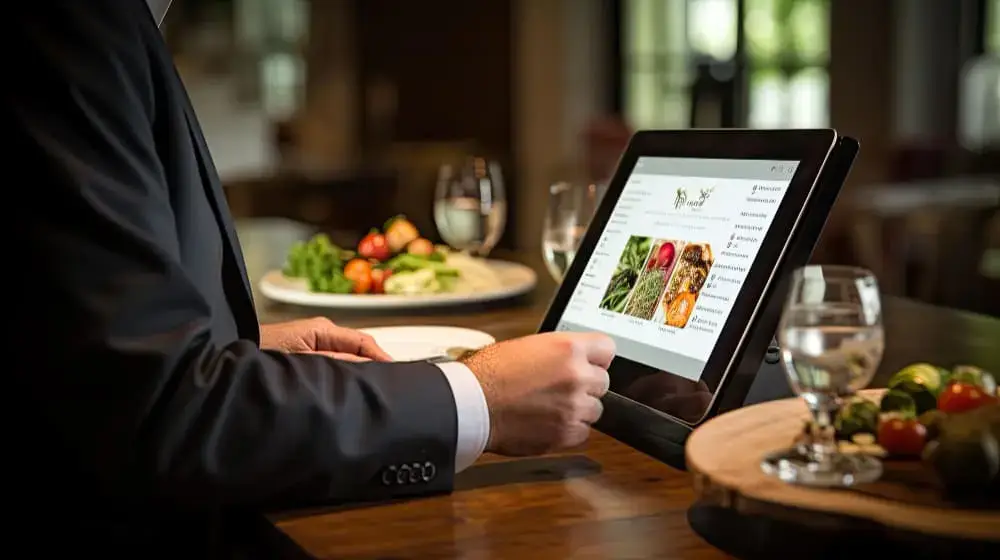
The Power of Knowing Your Customer: Beyond Basic Demographics
90% of diners check reviews before choosing a restaurant
Positive reviews drive trust, clicks, and foot traffic
Businesses with more reviews rank higher in local search
In today’s crowded culinary marketplace, simply serving great food isn’t always enough to stand out. Customers are bombarded with choices, and generic marketing messages often get lost in the noise. The true game-changer for modern restaurants is personalization – and the key to personalization lies in effectively using customer data.
For restaurant owners, customer data isn’t just about names and email addresses. It’s a goldmine of insights into preferences, behaviors, and habits that, when harnessed correctly, can transform your marketing from guesswork into a precise, revenue-driving machine. This is where an AI-powered platform like Foodcus becomes indispensable. Recent AI research shows that businesses using AI improve efficiency and decision-making.
1. The Power of Knowing Your Customer: Beyond Basic Demographics
Historically, restaurants might have known their “regulars” by face or their usual order. Today, digital tools allow you to scale that intimate knowledge across your entire customer base. What kind of data are we talking about?
-
- Purchase History: What items do they buy most frequently? What’s their average spend?
-
- Visit Frequency: How often do they dine with you? When was their last visit?
-
- Time & Day Preferences: Do they prefer lunch, dinner, weekdays, or weekends?
-
- Dietary Preferences: Are they vegetarian, vegan, gluten-free? Do they have allergies?
-
- Communication Preferences: Do they prefer SMS, email, or in-app notifications?
-
- Engagement Metrics: Do they open your emails? Click on offers? Redeem rewards?
This deep dive into individual customer behavior, collected seamlessly through your Foodcus POS, CRM, and Loyalty Program, paints a picture far richer than any demographic segment ever could.
2. Setting Up Your Data Collection Ecosystem with Foodcus
Before you can personalize, you need to collect the right data ethically and efficiently. The Foodcus platform is designed as an integrated ecosystem for this very purpose:
-
- Point-of-Sale (POS) System: Every transaction, every item purchased, every modification (e.g., “no onions”) is recorded. This is the foundation of your purchase history data.
-
- Online Ordering & Reservation System: Captures preferences for specific dishes, order times, group sizes, and dietary notes from online interactions.
-
- Loyalty Program: This is your personalization superpower. When customers sign up, they explicitly opt-in to provide contact information and allow tracking of their purchases for rewards. This is also where preferences like birthdays and anniversaries are collected.
-
- Customer Relationship Management (CRM): This is the brain of your operation. Foodcus’s integrated CRM compiles all data points from your POS, online orders, and loyalty program into comprehensive individual customer profiles.
Ethical Data Collection: Always be transparent with customers about what data you collect and how you use it. Foodcus helps ensure compliance while giving you powerful tools.
3. Segmenting Your Audience for Hyper-Targeted Campaigns
With your data flowing into the Foodcus CRM, you can move beyond broad marketing blasts. Segmentation allows you to group customers based on shared characteristics or behaviors, making your marketing highly relevant.
Common Segmentation Strategies:
-
- Frequent Diners: Your most loyal customers.
-
- Personalized Marketing: Exclusive previews of new menu items, VIP event invitations, special “thank you” offers.
-
- Frequent Diners: Your most loyal customers.
-
- Lapsed Customers: Those who haven’t visited in a while (e.g., 30+ days).
-
- Personalized Marketing: “We miss you!” offers, reminding them of their favorite past orders, or a special discount to entice their return.
-
- Lapsed Customers: Those who haven’t visited in a while (e.g., 30+ days).
-
- High Spenders (VIPs): Customers with a high average check size or lifetime value.
-
- Personalized Marketing: Premium rewards, personalized recommendations based on their past expensive orders, or early access to reservations.
-
- High Spenders (VIPs): Customers with a high average check size or lifetime value.
-
- Birthday/Anniversary Club: Customers who have provided their special dates.
-
- Personalized Marketing: A free dessert or a percentage off their meal during their birthday month.
-
- Birthday/Anniversary Club: Customers who have provided their special dates.
-
- Specific Cuisine/Dish Lovers: Customers who consistently order pizza, sushi, vegetarian dishes, etc.
-
- Personalized Marketing: Notifications about new menu items in their preferred category, or a discount on their favorite dish.
-
- Specific Cuisine/Dish Lovers: Customers who consistently order pizza, sushi, vegetarian dishes, etc.
-
- Takeout/Delivery Only: Customers who never dine in.
-
- Personalized Marketing: Free delivery offers, bundles designed for home consumption, or promotions for online ordering.
-
- Takeout/Delivery Only: Customers who never dine in.
Foodcus’s AI can automatically identify these segments and even suggest new, profitable ones based on evolving customer behavior.
4. Personalization in Action: Marketing Channels & Strategies
Once you have your segments, it’s time to craft personalized messages across various channels:
a) Targeted Email Campaigns
-
- Subject Lines: Use the customer’s name (“John, your favorite pasta awaits!”) and reference their preferences.
-
- Content: Dynamic content that changes based on the recipient’s segment. A lapsed customer gets a “welcome back” offer, while a frequent diner gets an invite to a tasting event.
-
- Automated Triggers: Foodcus can set up automated email flows for birthdays, last visit anniversaries, or reaching new loyalty tiers.
b) SMS Marketing
-
- Flash Sales: “Craving your favorite pizza? Get 15% off online orders for the next 2 hours!” (Sent only to pizza lovers).
-
- Table Availability: For VIPs, an SMS about unexpected table openings on a busy night.
-
- Order Updates: Personalized updates on their current order, which enhances the overall experience.
c) In-App Notifications & Loyalty Program
-
- Points Reminders: “You have 250 points! Enough for a free coffee!”
-
- Tier Achievements: “Congratulations! You’ve reached Gold status! Enjoy free delivery on your next 3 orders.”
-
- Personalized Recommendations: Based on past orders, the app suggests new items they might like.
d) Website & Online Ordering Personalization
-
- “Reorder Your Favorite” Button: For logged-in loyalty members, prominently display their past orders for quick reordering.
-
- Suggested Items: “Customers who ordered [your item] also enjoyed [related item]” based on collective data.
-
- Personalized Promos: Display relevant promotions directly on the website based on the user’s known preferences.
5. Driving Customer Lifetime Value (CLV) with Personalization
Personalization isn’t just about making customers feel special; it’s about making them more valuable to your business over time.
-
- Increased Purchase Frequency: Relevant offers encourage more frequent visits.
-
- Higher Average Order Value (AOV): Tailored upsells and cross-sells (e.g., “add a drink to your favorite meal”) lead to higher spending per visit.
-
- Enhanced Brand Loyalty: When customers feel understood and appreciated, they are less likely to defect to competitors.
-
- Reduced Churn: Proactive re-engagement with lapsed customers prevents them from leaving for good.
-
- Word-of-Mouth Marketing: A personalized experience generates positive reviews and referrals, bringing in new, high-quality customers.
6. Measuring the Impact: Analytics & A/B Testing
With Foodcus Analytics, you can track the performance of your personalized campaigns:
-
- Open Rates & Click-Through Rates (CTR): Are your messages engaging?
-
- Conversion Rates: Are people redeeming your personalized offers?
-
- ROI of Campaigns: How much incremental revenue did a specific personalized campaign generate?
-
- Customer Feedback: Direct feedback or surveys can gauge satisfaction with personalization efforts.
A/B testing (e.g., sending two different personalized offers to similar segments) allows you to continuously refine your strategies for maximum impact.
Conclusion: Data as Your Secret Ingredient
In an industry built on taste and experience, using customer data to personalize your marketing might feel like a departure from tradition. However, it’s actually about enhancing that tradition – making every customer feel like a valued regular, even if you’ve never met them in person.
By integrating the power of your Foodcus CRM, and Loyalty Program, you’re not just collecting data; you’re unlocking the secret ingredient to building deeper customer relationships, driving repeat business, and significantly increasing your restaurant’s revenue. Stop guessing, start knowing, and watch your restaurant thrive with personalized marketing.